Category
Payables & Receivables
November 12, 2026


Latest from the Blog

Rethinking Global Payments: Why NetSuite Finance Teams Need More Connected Payment Infrastructure

Why FX risk is no longer a problem businesses can afford to manage reactively
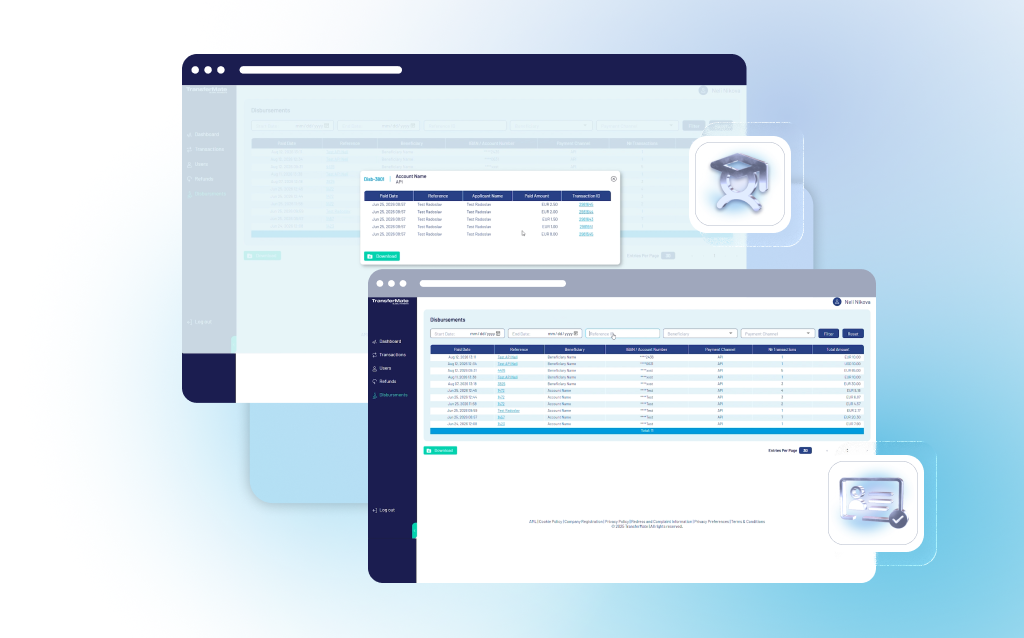
TransferMate Education Analytics Dashboard Update: Disbursements Visibility
For decades, correspondent banking has underpinned international payments.
It was built for a world where moving money across borders meant passing it from one financial institution to another, sometimes through several intermediaries, before it reached its destination. That infrastructure has helped facilitate global commerce, but the businesses using it have changed dramatically.
Finance teams now operate across multiple markets, subsidiaries, and currencies from increasingly connected technology environments.
Their ERP can provide a central view of the organization. Their processes can be automated. Data can move almost instantly between systems.
Yet the payment itself can still take the scenic route.
That disconnect matters.
For a business using an ERP such as NetSuite, modernizing finance isn't simply about replacing one payment method with another. It's about closing the gap between where financial decisions are made and where money actually moves.
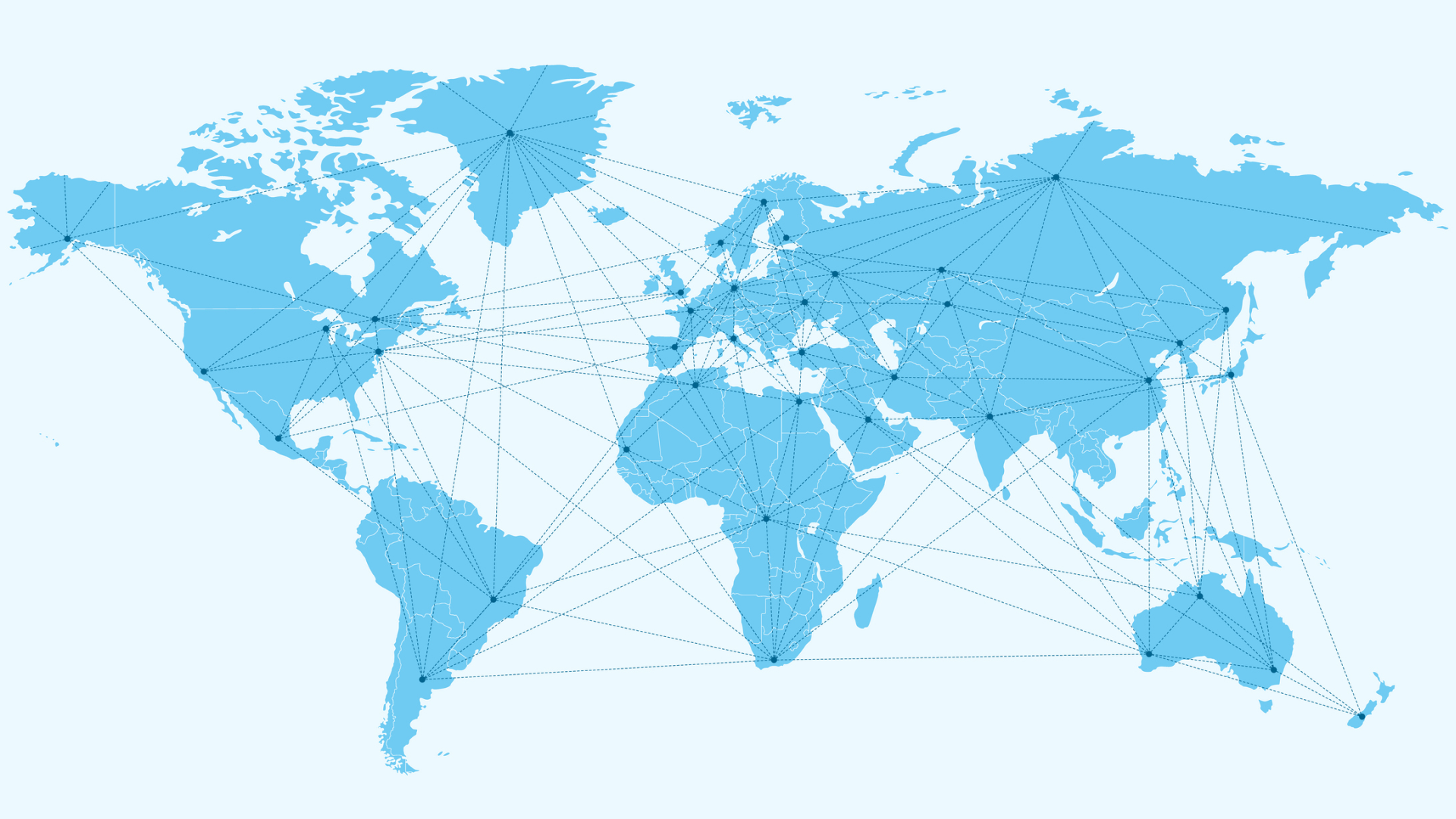
Think of traditional correspondent banking as an international journey involving several connecting flights.
Each connection can be necessary, but every additional stop creates another handover. More information is passed along. More parties get involved. And flight delays wreak havoc for both airlines and passengers.
Like connecting flights, traditional payment rails involve multiple intermediaries, creating inconsistent processes, unexpected fees, and delays. That payment journey becomes harder to follow, and the final cost and arrival time are less predictable.
For a finance team, however, the complexity doesn't necessarily begin or end with the banking network. It can start inside the organization.
When international payment execution sits outside the ERP, teams need to export files, upload information to separate systems, and then reconcile completed transactions against their financial records.
As businesses expand across subsidiaries, banks, and currencies, those extra steps can make oversight harder and increase the risk of human error.
The result is an odd contradiction: highly sophisticated finance software on one side, global payment processes stitched together manually on the other.

A payment can take seconds to approve, but it can still require much more work to execute.
First, the payment information needs to be prepared, and it may need to move between systems. Then someone monitors the transaction before confirmations and payment data are brought back into the financial record.
Multiply that process across hundreds of payments a week, dozens of international suppliers, and multiple subsidiaries, and the operational burden grows. Manual reconciliation is a good example.
Matching payments to invoices and updating records adds work to month-end. Disconnected payment systems make it harder to see payment status, settlement timing, and final FX costs.
This is why the conversation around cross-border payments is increasingly bigger than the transaction itself.
The more useful question is: how much work does the organization have to do around that transaction?

This is where fintech payment infrastructure offers a different model.
Instead of treating international payments as a separate activity outside the ERP, payment technology can connect execution more closely to the systems finance teams already use.
The TransferMate connection with NetSuite illustrates the principle.
Approved bills and relevant payment data can flow from NetSuite into TransferMate, with payment status and transaction information written back into NetSuite.
TransferMate applies relevant payment rules, account mapping, and entity controls before executing international payments through TransferMate's regulated network.
Confirmations, status updates, and transaction records sync back into NetSuite.
In other words, the payment doesn't have to disappear through a side door once the bill has been approved.
It can remain part of a connected financial process. That distinction is important.
The technology becomes less about adding another payment tool and more about removing the gaps between existing ones.

For finance leaders, knowing what is happening to a payment can be just as important as getting it there quickly.
Disconnected processes can limit insight into payment status, settlement timing, and final FX costs. By contrast, the TransferMate-NetSuite connection provides visibility of payment activity, transaction records, and account information through a connected platform.
It's the difference between sending a parcel with no tracking information and watching its progress from dispatch to delivery.
That visibility becomes increasingly valuable as an organization scales.
International expansion has traditionally created another challenge: infrastructure.
Entering a new market can mean establishing additional banking relationships and adding new processes around them.
Over time, finance teams can inherit a growing web of banks, accounts, and payment workflows. What worked when the company had one entity can become a patchwork quilt as it expands internationally.
Connected payment infrastructure offers another approach.
Its regulated infrastructure lets NetSuite users manage international supplier payments across subsidiaries, currencies, and regions through one payment solution, while supporting expansion into new markets without building new banking relationships for each one.
Another trap in finance transformation is automation that merely shifts manual work elsewhere.
For example, if a payment file is generated automatically, but someone still has to then bring information back into the ERP, the organization hasn't removed the break in the process. It's just made one side of it faster.
True payment automation needs to connect the full workflow.
This can have consequences beyond accounts payable. Reducing reconciliation effort can support faster month-end close and help organizations maintain more accurate financial records.
It is a useful test for any piece of finance automation: don't just count the steps technology performs. Count the steps people no longer have to.
As payment activity connects more closely to the ERP, another possibility emerges.
The conversation can move beyond simply paying suppliers.
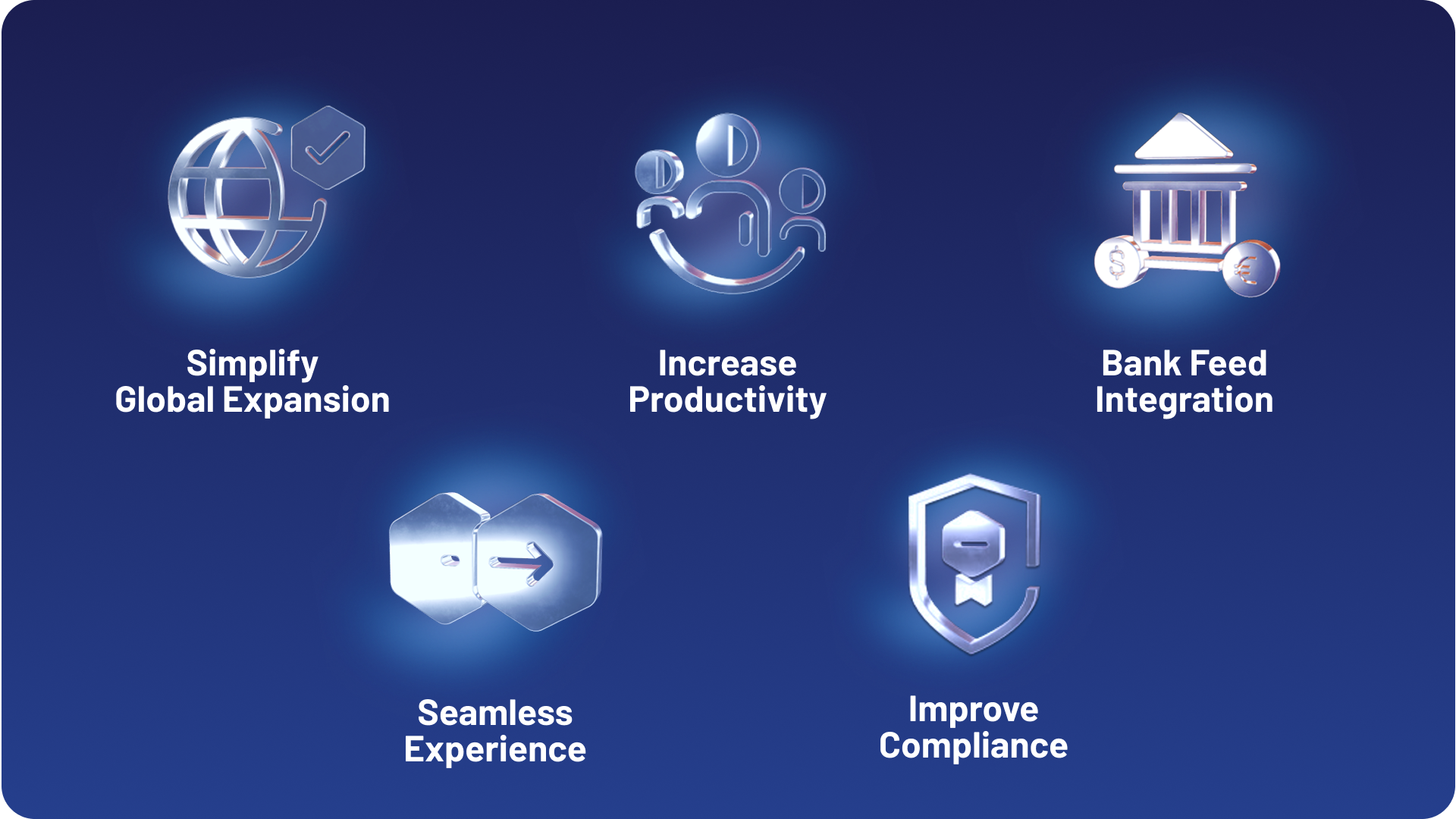
As international operations grow, TransferMate's value extends. Virtual accounts with unique BICs and IBANs that can hold funds in more than 35 currencies provide treasury management opportunities, alongside FX Forwards designed to help businesses manage foreign-exchange risk and gain greater certainty around future currency volatility.
That points towards a broader evolution in treasury management and ERP payments.
Payments, virtual accounts, FX risk and financial data have traditionally occupied neighbouring rooms. Increasingly, connected financial infrastructure can open the doors between them.
And that may ultimately be where the greatest value lies.
The future of cross-border payments won't simply be determined by how quickly money travels from one country to another.
It will depend on how little friction surrounds that journey.
For NetSuite users, connecting global payment infrastructure directly to the ERP removes that friction.
TransferMate brings payment execution, reconciliation, and visibility closer to NetSuite while providing a globally regulated infrastructure for international payments. Ready to rethink how your business manages global payments from NetSuite? Contact our team to get started.
We simplify, digitize, and automate the manual tasks involved in paying and getting paid.